
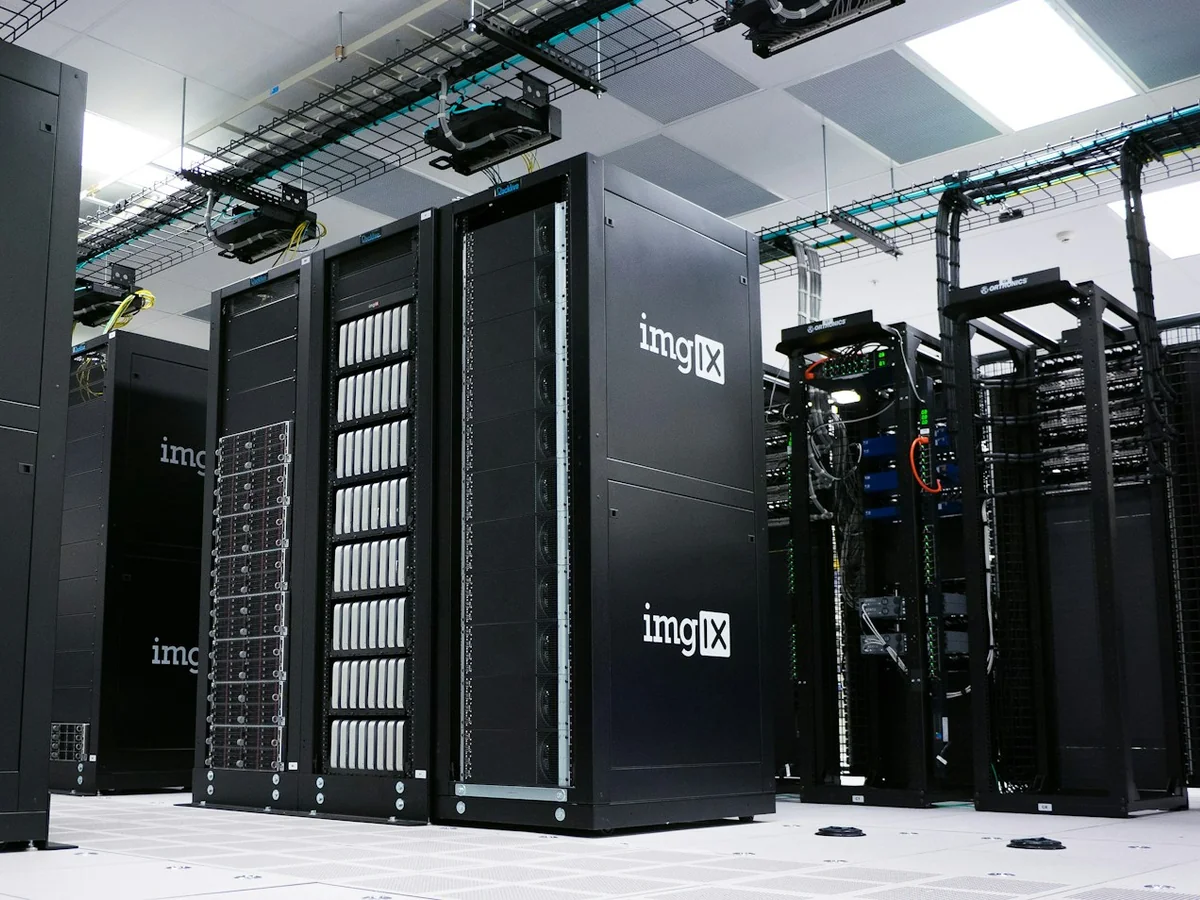
Design around workload requirements
We establish availability, recovery, security, and cost requirements before choosing services across AWS, Azure, or Google Cloud. The architecture documents tradeoffs and failure scenarios.
Make environments repeatable
Infrastructure as code, reviewed changes, and delivery pipelines help keep development and production aligned. Kubernetes is considered when its operational benefits justify the added complexity.
Operate with clear ownership
Monitoring connects technical signals to user impact. Runbooks, access reviews, recovery exercises, and cost checks provide a practical basis for ongoing operations.
Typical deliverables
- Architecture and infrastructure as code
- Deployment pipelines and observability
- Recovery and operational runbooks
Common questions
Do we need Kubernetes for our application?
Not necessarily. We compare simpler hosting and managed services with Kubernetes against your workload, scaling needs, team experience, and operating costs. We recommend the least complex approach that meets the requirements.
Can you improve our cloud costs without disrupting production?
We establish a usage and cost baseline, then prioritize recommendations with their performance and availability tradeoffs. Production changes require agreed approval, validation, and rollback plans; savings depend on the environment.
How do you approach a cloud migration?
We map application dependencies, data, access, and recovery requirements first. The migration plan covers staging, data transfer, validation, cutover, and rollback, with responsibilities and acceptable downtime agreed in advance.
Watch & learn
Explore the foundations with video lessons from Microsoft and Amazon Web Services.
Watch the relevant lesson