
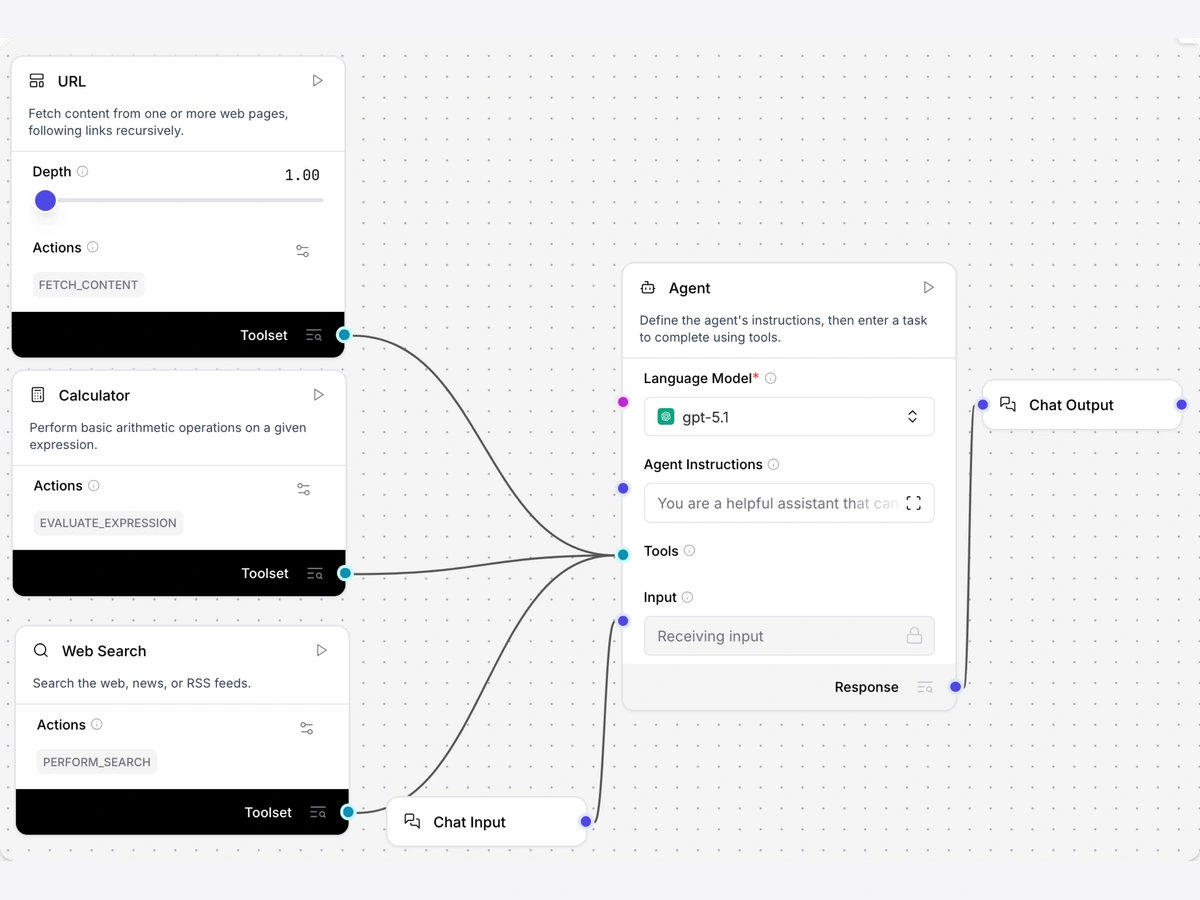

Choose a measurable workflow
Begin with a repeated task whose inputs, outputs, exceptions, and current effort can be described. Compare automation with a simpler rules-based approach before introducing a language model.
Define oversight and data boundaries
We specify what the system can read, which tools it can use, and which actions need human approval. Sensitive information, retention, and third-party processing are considered during design.
Evaluate before expanding
Representative examples and difficult edge cases become an evaluation set. Quality, exceptions, operating cost, and human review time inform whether the workflow is ready for broader use.
Typical deliverables
- Workflow scope and evaluation set
- Data and tool-access boundaries
- Monitoring and review procedures
Common questions
Which business processes are suitable for AI or automation?
Good candidates have repeated steps, accessible inputs, and outputs you can evaluate: document processing, internal search, reporting, or system-to-system handoffs. We compare simpler automation with AI before choosing an approach.
How do you check whether AI output is reliable?
We evaluate representative examples and difficult cases against agreed quality criteria. The workflow can include human review, fallback behavior, and monitoring of exceptions, usage costs, and review time.
Can AI use our private data and take actions in our systems?
Access is designed around the task and limited to approved data and tools. We agree third-party processing and retention requirements, and define which actions require human approval before connecting production systems.
Watch & learn
Explore the foundations with video lessons from Microsoft and Amazon Web Services.
Watch the relevant lesson